
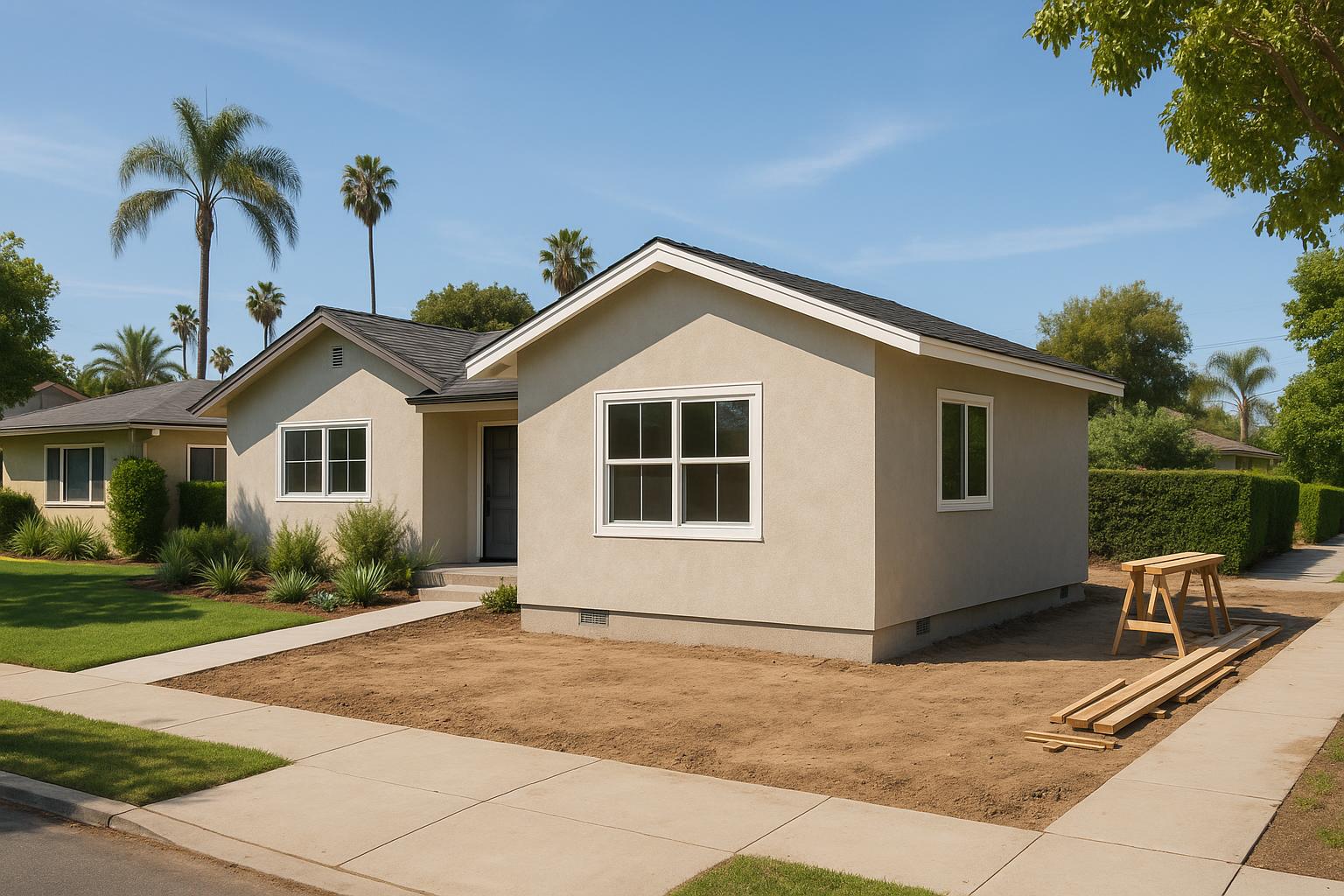
Why San Diego Homeowners Are Adding On Instead of Moving
San Diego's housing market has made moving a tough proposition for many families. Between rising home prices and the reluctance to give up a favorable mortgage rate, more homeowners are choosing to expand their current homes rather than start over somewhere new. A well-planned room addition lets you get the space you need — whether it's an extra bedroom, a home office, or an expanded living area — without uprooting your life.
But room additions are among the most complex remodeling projects a homeowner can take on. They involve structural work, permitting, and a long list of decisions that can quickly push costs beyond what you originally planned. The good news? With the right approach, you can keep your project on track financially while still getting the results you want.
Start With a Clear Purpose for the Space
Before you think about square footage or finishes, get specific about why you need the addition. The purpose of the room drives almost every decision that follows — the size, the layout, the materials, and ultimately the cost.
Ask yourself these questions:
- Is this space for a growing family, aging parents, or a work-from-home setup?
- Does it need plumbing (like a bathroom or kitchenette)?
- Will it need its own heating and cooling?
- Do you plan to use it daily, or is it more of a guest space?
A dedicated home office has very different requirements than a primary suite addition. When you nail down the purpose early, you avoid the costly mid-project changes that blow budgets apart.
Understand What Drives the Cost of a Room Addition
Room additions in San Diego typically range from $200 to $500 per square foot, depending on the complexity of the project. That's a wide range, and understanding what pushes costs higher will help you make smarter trade-offs.
Foundation and Structural Work
Every addition needs a foundation, and the type depends on your lot's soil, slope, and the size of the addition. San Diego's varied terrain — from flat coastal lots in Pacific Beach to hillside properties in the eastern neighborhoods — means foundation costs can vary significantly. Hillside lots may require additional engineering, retaining walls, or specialized footings.
Plumbing and Electrical
Adding a bathroom or kitchenette to your new room means running new plumbing lines, which increases both material and labor costs. Similarly, your existing electrical panel may need an upgrade to handle the additional load. These utility connections are often where homeowners underestimate expenses.
Roofing and Exterior Matching
Your addition needs to look like it belongs. Matching the existing roofline, siding, and exterior finishes takes careful planning and sometimes requires sourcing discontinued materials or custom work. Cutting corners here is one of the fastest ways to hurt your home's curb appeal and resale value.
Permits and City Requirements
San Diego has specific zoning regulations, setback requirements, and building codes that affect what you can build and where. Permit fees, plan review, and inspections are non-negotiable costs that need to be in your budget from day one. Skipping permits isn't just risky — it can create serious problems when you eventually sell your home.
Set a Realistic Budget (Then Add a Cushion)
Once you understand the cost drivers, work with your contractor to establish a detailed budget. A good contractor will provide a line-item estimate that breaks down costs for demolition, foundation, framing, electrical, plumbing, HVAC, finishes, and permits.
Here's the rule experienced homeowners follow: set aside 10-15% of your total budget as a contingency fund. Even the best-planned projects encounter surprises — an outdated electrical panel, unexpected soil conditions, or a material delay that requires a substitution. That contingency fund is what keeps surprises from becoming disasters.
Choose Materials Strategically
You don't have to choose the most expensive option for every surface and fixture to get a beautiful result. Focus your spending where it matters most:
- Splurge on items you'll see and touch every day — flooring, countertops, and lighting fixtures.
- Save on items hidden behind walls — standard-grade plumbing pipes and wiring get the job done just as well as premium options.
- Think long-term about energy efficiency. San Diego's mild climate is forgiving, but quality insulation and energy-efficient windows will pay for themselves over time through lower utility bills.
Work With a Contractor Who Communicates Clearly
Budget overruns rarely happen all at once. They creep in through miscommunication, vague allowances, and decisions made under pressure. The single most important thing you can do to protect your budget is choose a contractor who is transparent about costs and proactive about keeping you informed.
Look for these signs during your initial conversations:
- They ask detailed questions about how you plan to use the space.
- They explain the permitting process and timeline upfront.
- They provide a written estimate with clear line items, not a single lump sum.
- They discuss potential challenges specific to your property before work begins.
- They have a defined process for handling change orders so there are no financial surprises.
At Foothill General Contractors, this is exactly how we approach every room addition project in San Diego. We believe homeowners deserve to know where every dollar is going, and we keep communication open from the first consultation through the final walkthrough.
Don't Forget the Value Factor
A room addition is a significant investment, so it's worth considering how it affects your home's resale value. In San Diego's competitive real estate market, well-executed additions — especially extra bedrooms, primary suites, and functional living spaces — consistently deliver strong returns.
However, over-improving for your neighborhood can limit your return. If every home on your street in Clairemont or Ocean Beach is under 1,500 square feet, adding 800 square feet may not recoup its full cost at resale. Your contractor and a local real estate professional can help you find the sweet spot between the space you need and the investment that makes financial sense.
The Bottom Line
A room addition can transform how you live in your home — giving you the space, comfort, and functionality you've been missing. The key to doing it without derailing your budget is straightforward: define your goals clearly, understand the real costs, plan for the unexpected, and partner with a contractor who values honesty as much as craftsmanship.
If you're considering a room addition in San Diego, we'd love to talk through your ideas. Reach out to Foothill General Contractors for a free consultation, and let's figure out the best way to expand your home without expanding your stress.